The Issue

- how can i help?
I want to help, what can I do?
if they want to help:
- Social Media Help
- Writing postcards
- Emailing politicians and decision makers
- Researching issues
- Newsletter
- Speaking at Council meetings
- Talking to neighbors
- Policy making/monitoring
- Creative arts/marketing
- The Issue
Washington State Laws on Excessive Vehicle Noise
Noise Pollution Is Not an Inconvenience — It’s a Public Health Issue
Illegal exhaust modifications commonly include:
- No Noise Amplification: It is illegal to modify an exhaust system to amplify or increase the noise emitted by the engine above the level of the originally installed muffler.
- Prohibited Devices: The use of “muffler cut-outs,” bypasses, or similar devices is strictly prohibited on public highways.
- Decibel Limits: State standards (WAC 173-62-030) set specific maximum sound levels based on vehicle type and speed:
- Automobiles/Light Trucks: 72 dBA at 45 mph or less; 78 dBA over 45 mph.
- Motorcycles: 78 dBA at 45 mph or less; 82 dBA over 45 mph.
- Stationary Measurement: Most cars and light trucks must not exceed 95 decibels when measured 20 inches from the exhaust outlet.
- The Issue
Enforcement and Exceptions
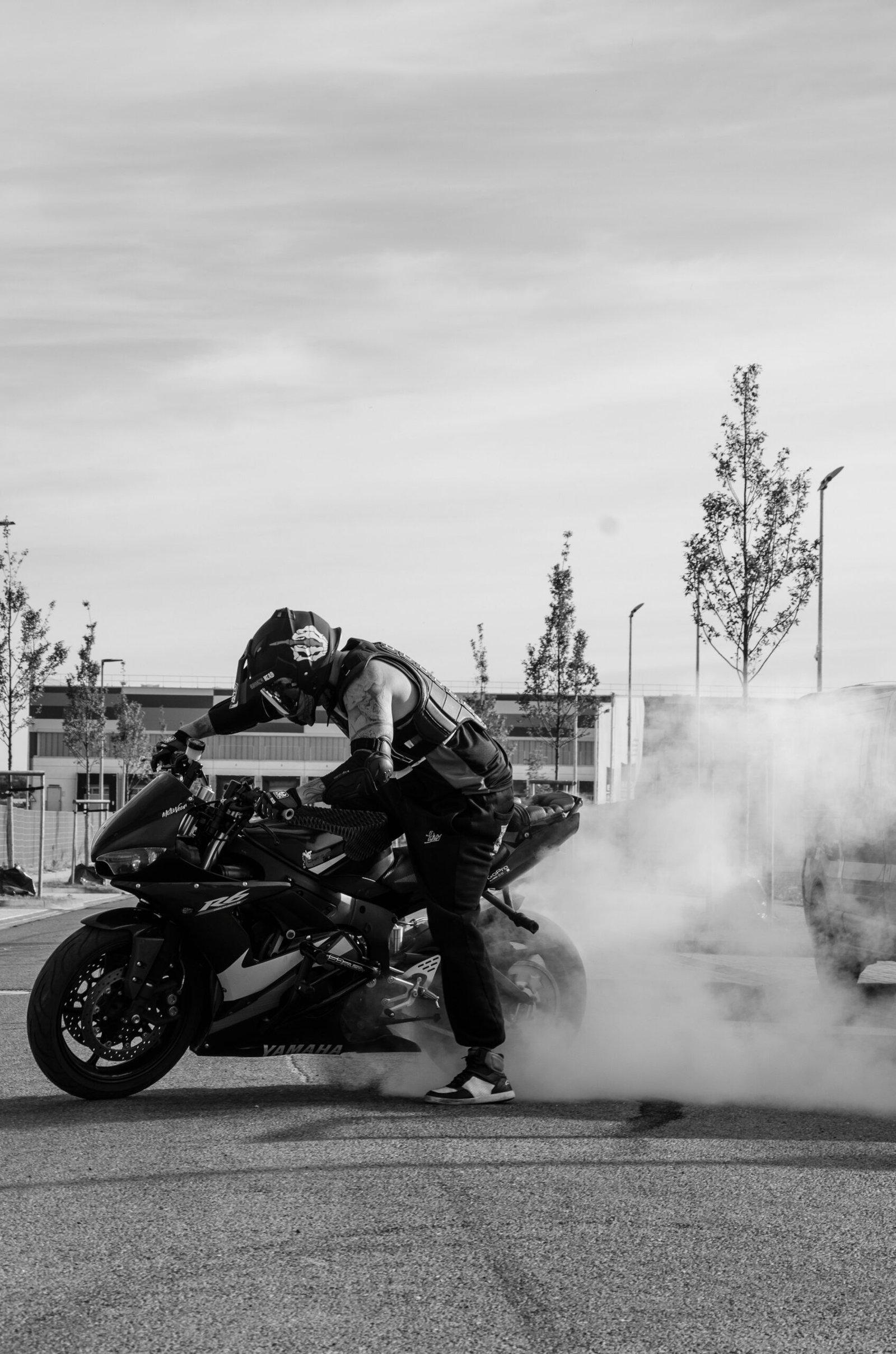
There is no evidence that louder exhausts improve motorcycle safety. Sound projects behind the rider and modern vehicles block it, while visibility, lighting, and defensive riding are proven to prevent crashes
- Fines: Infractions typically carry a fine of approximately $149 for a first offense, which can increase for subsequent violations.
- Exemptions: These noise restrictions generally do not apply to vehicles that are 25 years or older or to passenger vehicles used in sanctioned racing events off public highways.
- Local Ordinances: Cities may implement stricter rules. For example, Seattle prohibits engine or exhaust noise that can be heard by a person of normal hearing from 75 feet away.
- New Pilot Programs: Recent legislation (SB 5417/HB 1423) has authorized the use of automated noise enforcement cameras in certain “vehicle-racing camera enforcement zones” to detect violations.
- Federal Laws
Vehicle Noise Laws (EPA/Federal)
- Federal Authority: The Noise Control Act of 1972 authorizes the EPA to regulate noise from motor vehicles, particularly medium and heavy trucks.
- Motorcycle Standards: EPA regulations, effective since 1983 and updated in 1986, require that street and off-road motorcycles be equipped with EPA-approved mufflers and meet specific decibel limits.
- Aftermarket Exhaust: It is unlawful under federal regulations to modify a muffler or exhaust system in a way that increases noise above manufacturer specifications.
- Enforcement: While regulations exist (e.g., 40 CFR 205), federal enforcement is limited, with most noise enforcement handled by state and local authorities, which often set limits around 95 decibels for cars and 99 decibels for motorcycles.
Why This Matters
Noise pollution isn’t just an annoyance—it’s a serious threat to public health, environmental stability, and quality of life. Illegally modified exhaust systems expose communities to harmful noise and toxic emissions without consent. Addressing this issue protects our health, our neighborhoods, and our shared right to peace.
Human Health Impacts
Environmental Damage
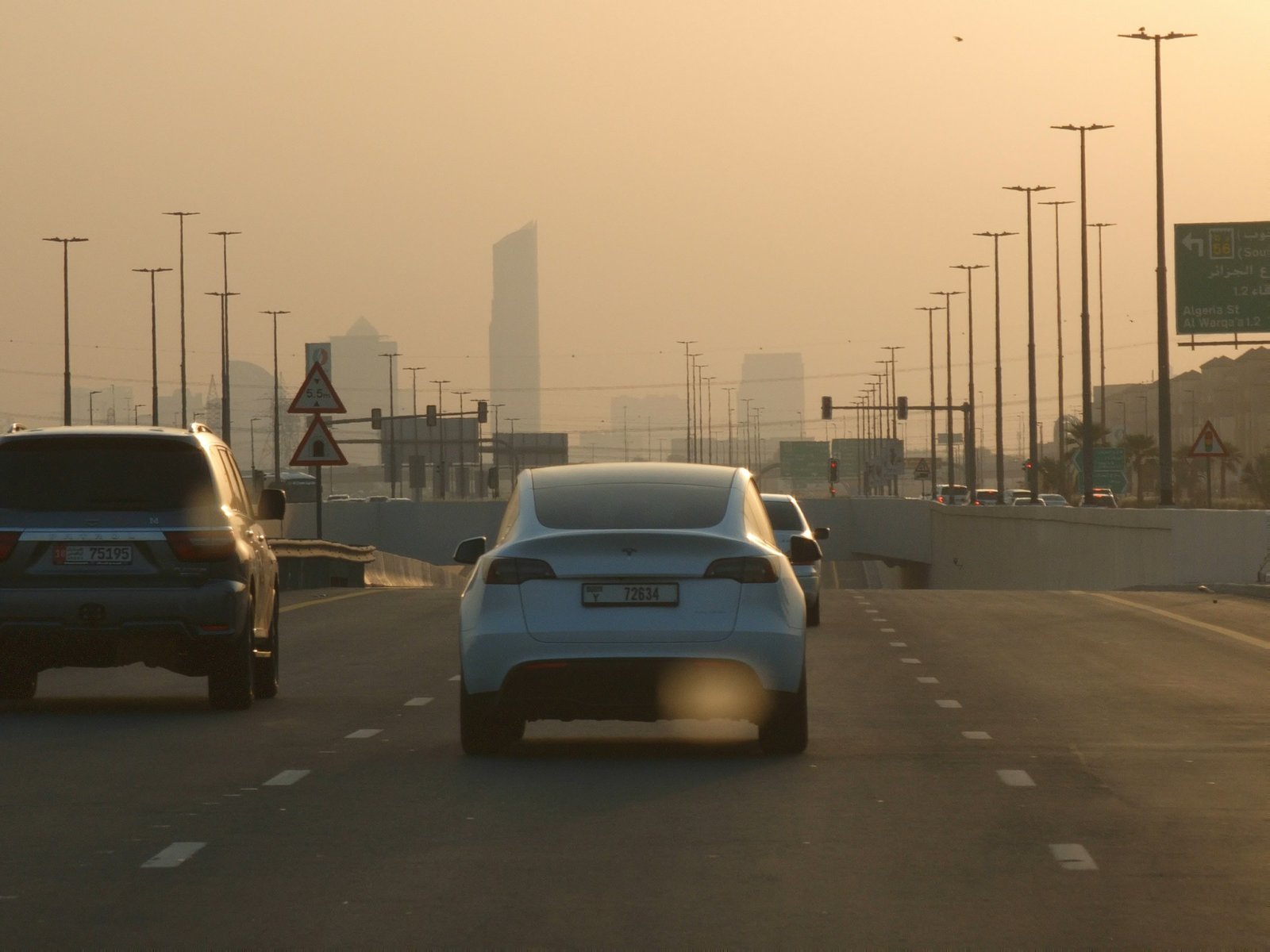
Illegal exhaust modifications increase noise and release dangerous air pollution, including toxic emissions and diesel particulates.
This Is Preventable. This Is Fixable.
Communities that take noise seriously have already seen success
Laws Already Exist — Enforcement Is the Problem
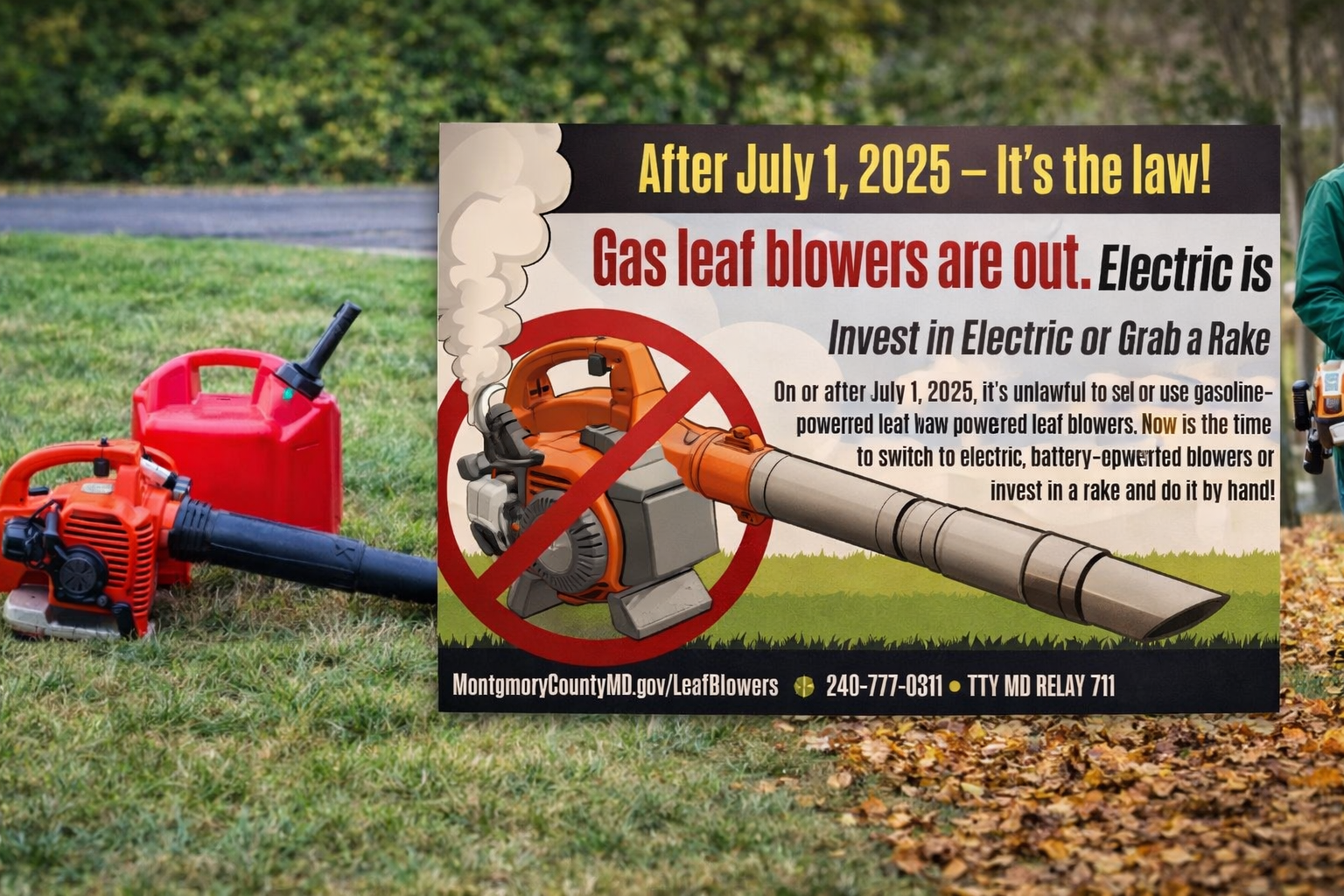
After July 1, 2025-It's the law!